
The Oscars Needs "Sinners"
More than Ryan Coogler’s movie needs 16 Academy Award nominations, or a Best Picture win
Critic Angelica Jade Bastién and I were commissioned to write this article for Vulture and are co-posting it on our Substacks. Tomorrow, February 13, we are going live right here on Substack to discuss the Oscars and the state of Black filmmaking at 2 p.m. ET / 11 a.m. PT.
When Sinners was released last April, its success could be measured in more than colossal box office returns. It was discussed, memed, and argued over with obsessive zeal, as audiences rewatched it in theaters and debated its genre allusions, religious symbolism, and supposed culture-war positions. Impressively, the film stayed at the forefront of discourse throughout the summer, when it was available to watch at home, and into awards season, even as new films premiered at festivals and seemed to overshadow Sinners’ prestige. Ryan Coogler’s American horror film, it was decided, was the Hollywood triumph story of the year.
But once Sinners became the most nominated movie in Academy Awards history, conversations about the film reached a fevered crescendo within Black audiences. Discussions, on social media and among film critics, moved from obsessively parsing the story and its blockbuster appeal, to debating what the movie means for Black film and Blackness writ large. As more awards rolled in — including Original Screenplay at the BAFTAs and a Lead Actor upset by Michael B. Jordan at the SAG awards — Sinners became a lightning rod illuminating a belief held by Black audiences throughout the medium’s history: that supporting Black film is a civic duty. Its awards success was starting to be positioned as retribution after questionable coverage of its initial victories from the likes of Variety and other white power structures that have a reputation for devaluing Blackness. Sinners’ potential Oscar wins now signal the gravity of Black progress, within and beyond the industry; its potential Oscar losses carry a glint of cruelty.
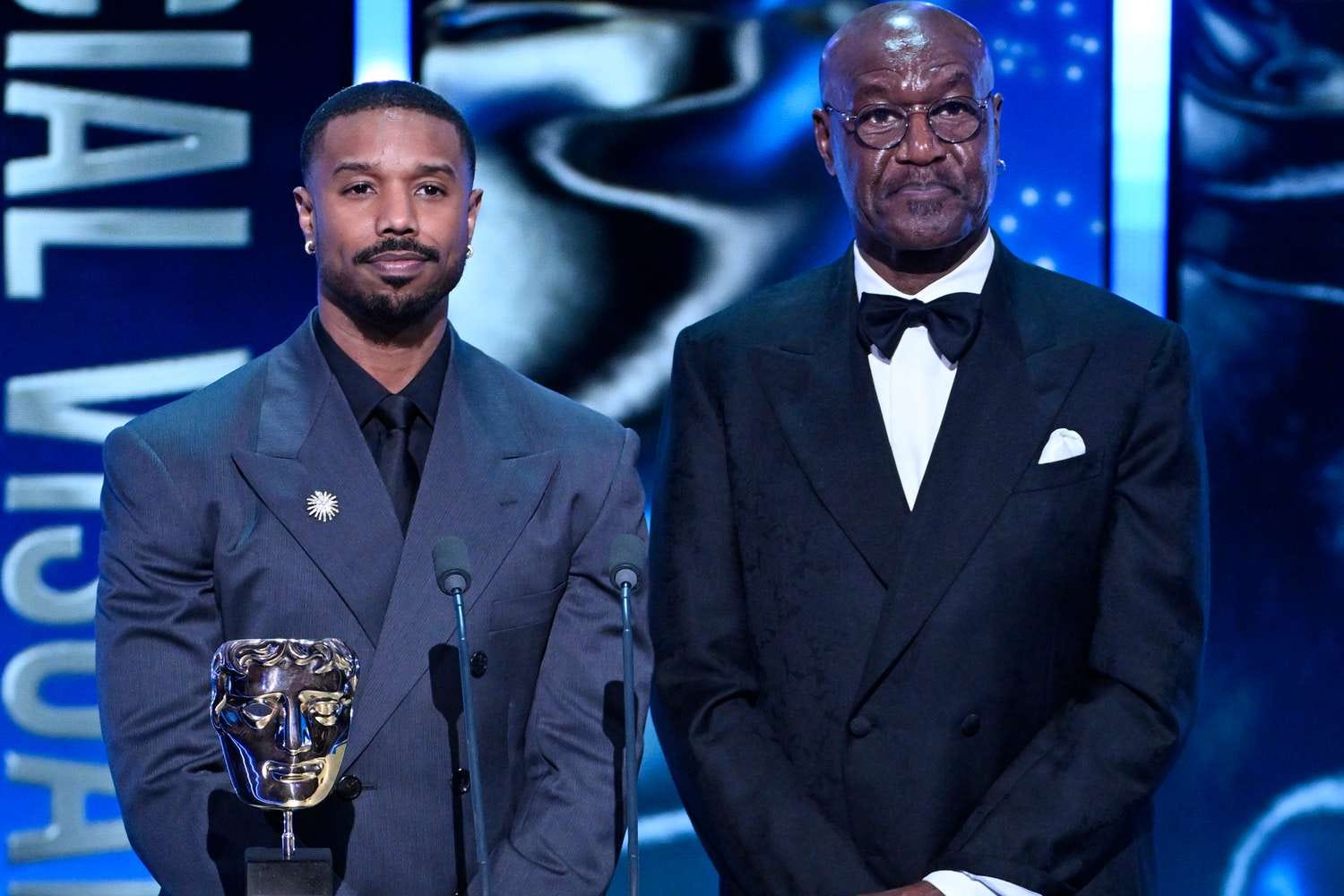
But this thinking involves a strange exaltation of the very white power structures that have always threatened or co-opted Black artistry. Speaking of the BAFTAs, that institution had to apologize this year for allowing the n-word, shouted by Tourette syndrome activist John Davidson, to make it to broadcast on the BBC. Sinners actors Jordan and Delroy Lindo were presenting an award at the ceremony when Davidson’s tic occurred, and as Lindo explained to Vanity Fair, they “did what they had to do,” but wished “someone from BAFTA spoke to us afterward,” referring to the fact that no one from the British Academy apologized to them personally that night. It was hard not to recognize the moment as another example of the white establishment delighting in sipphoning the popularity of Black art but doing nothing to consider and support Black artists.
The Oscars themselves were created in 1927 by MGM studio head Louis B. Mayer to pacify Tinseltown’s growing desire to support the labor of artists. As studios gulped down profits, talent below and above the line began to demand adequate shares of the pie. So the Academy of Motion Picture Arts and Sciences was born as a mechanism to numb their ambitions and sow division amongst the labor force in Hollywood. “I found that the best way to handle [filmmakers] was to hang medals all over them,” Mayer said. “If I got them cups and awards, they’d kill themselves to produce what I wanted.” The ceremony has remained a smug political distraction ever since. In 1990, when an LA Times editorial questioned the Academy’s snubbing of Do the Right Thing, then-president Karl Malden wrote a letter to the editor: “The members of this academy have done more to combat racial hatred and racial misunderstanding than all the editorial writers in all the newspapers in the world.”
Black people have been protesting that distraction and the films it festoons with glory since its early days. When Gone with the Wind sanitized the Confederacy, Black audiences picketed theaters, wrote essays and opinion pieces in Black publications, and called attention to the abhorrent treatment of Hattie McDaniel, who was segregated at the 1940 ceremony even though she won Best Supporting Actress. The Oscars were seen by Black audiences as frivolous, behind-the-times, and empty in the decades after, through 1996, when Reverend Jesse Jackson called for a protest of the Academy Awards, citing systemic racism at the institution’s core.
Read the full article on Vulture.com. Have a question you’d like us to answer for tomorrow’s live conversation? Leave it in the comments.
 | A guest post by
|
❤️🔥 appreciate your deep reading and open ears. thank you so so much!
Absolutely vital reflection. The way "Sinners" has become both a cultural force and a touchstone for conversations around Black artistry, recognition, and institutional power is striking. Coogler’s film not only redefined what a Black blockbuster can accomplish, but also highlighted how award bodies continue to frame Black success as an exception instead of the norm.